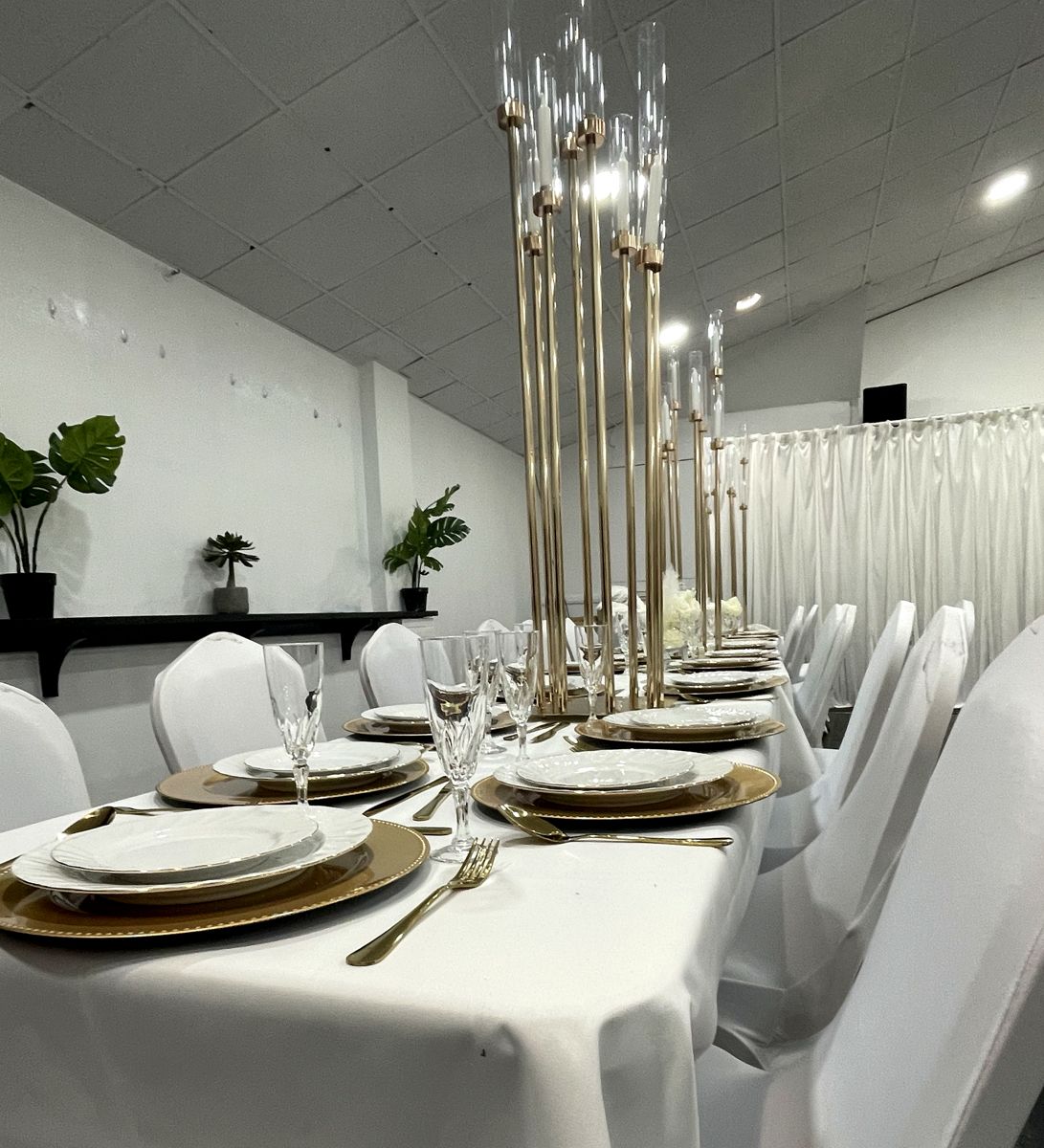
Planning a party in a hall or a hired room often raises a question nobody mentions until the last minute: do you need a licence for the drinks and the music? In England and Wales the answer is sometimes a Temporary Event Notice, or TEN. Often, though, you don’t need one at all.
Here is how to tell which side of the line your party falls on, using the official guidance on gov.uk.
What a Temporary Event Notice is
A TEN lets you carry out “licensable activities” at a one-off event on premises that are not licensed for them. According to gov.uk, the activities that need one are:
- Selling alcohol
- Serving alcohol to members of a private club
- Providing entertainment, such as music, dancing or indoor sporting events
- Serving hot food or drink between 11pm and 5am
You also need a TEN if a venue does hold a licence, but that licence does not cover what you are planning.
When a private party usually doesn’t need one
The key word for alcohol is selling. If you are hosting family and friends and simply handing out drinks, with nobody paying for anything, there is no sale. That is the typical birthday, anniversary or engagement party.
Be careful with anything that looks like payment. North Northamptonshire Council, for example, notes that “a sale may be deemed to be included in any entry or ticket fee.” So a ticketed party with a “free” bar, or a cash bar run by you or a friend, can still count as selling alcohol.
Music rules are more relaxed than many people expect. Government guidance on entertainment licensing says that between 8am and 11pm:
- Unamplified live music is exempt anywhere.
- Live or recorded music is exempt at premises licensed to sell alcohol on site, for audiences of 500 or fewer.
- Music that is incidental to something else, like background music over dinner, is exempt.
The same guidance flags that entertainment after 11pm may need a licence. If your DJ is booked until 1am, that is worth checking.
When you will need one
You are likely to need a TEN if any of these apply:
- You are charging guests, through tickets or entry, and alcohol is included or sold.
- You are running a cash bar yourself at an unlicensed space.
- The venue is unlicensed and the entertainment falls outside the exemptions above, for example amplified music late into the night.
- You plan to serve hot food or drink after 11pm, and the space is not licensed for it.
If the venue holds a premises licence covering drinks and music, and its own team runs the bar, that licence normally covers you. Ask the venue what it allows and until what time.
The rules for a TEN
If you do need one, the conditions on gov.uk are clear:
- Fewer than 500 people at all times, staff included.
- The event can last no more than 168 hours, which is seven days.
- Only individuals can apply, not companies, and you must be 18 or over.
- The fee is £21, paid to your local council.
- A person can give five TENs a year, or 50 if they hold a personal alcohol licence.
- A single premises can host up to 15 TENs a year, covering no more than 21 days in total.
A TEN is not permission to use the space. As Greenwich Council reminds applicants, you still need the owner’s agreement.
How far ahead to apply
Apply at least 10 clear working days before your event. Working days exclude weekends and bank holidays, which matters if your party falls around Christmas or New Year.
Miss that window and you may be able to give a late TEN, between nine and five clear working days before the event. Late TENs are limited: two a year for most people, or ten for personal licence holders. The bigger risk is this: if the police or environmental health object to a late TEN, it is invalid and the event cannot go ahead with those activities.
For a standard TEN, the police and environmental health have three working days to object, after which the council can approve, add conditions or refuse.
Once you have your TEN, keep it safe at the event and display a copy somewhere easy to see.
Why it pays to get this right
Carrying out a licensable activity without a TEN can lead to a fine, up to six months in prison, or both, according to gov.uk. So settle the bar question while you are still choosing a space. A licensed venue with its own bar team takes most of this off your plate; a dry hire space leaves the paperwork with you.
A quick checklist
- Will anyone pay for anything that includes alcohol? If yes, you may need a TEN.
- Is the venue licensed, and does its licence cover your drinks and music?
- Will music or hot food run past 11pm?
- Are there at least 10 clear working days before the party?
- Do you have written permission from the venue to hold the event?
If you are unsure, ask your council’s licensing team. In London, that is the borough where the party takes place.
Let us handle the look while you handle the paperwork
Licensing is one part of the planning; how the room looks is the part your guests remember. Set-up and take-down are included in our styling packages, so you can leave the room to us. Browse our packages and prop hire, see past setups in the gallery, and when you are ready, send us a styling enquiry.
This post is general information based on official guidance at the time of writing, not legal advice. Check with your local council for your own event.